Neurodivergence and Change at Work
We asked our community whether change at work had ever impacted their concentration. Almost everyone said yes. Then they spent a fortnight explaining why the obvious answer is the wrong one.
We asked our community whether change at work had ever impacted their concentration. Almost everyone said yes. Then they spent a fortnight explaining why the obvious answer is the wrong one.

You know what you need to do. You probably want to do it. But you don’t start – and then the not-starting becomes its own problem, heavier than the task ever was. This is what happens when executive dysfunction picks up shame along the way, and why “just try harder tomorrow” quietly makes it worse.

Picture a one-on-one wrapping up, a quick comment dropped in passing, and an employee walking away replaying it long after the meeting ends. What sounded like a small, harmless note can quietly grow into something much heavier. Here’s what vague feedback actually does – and the small, specific fix any manager can use on Monday.

Neurodivergent burnout is often framed as what happens when life gets too heavy. For many autistic and ADHD adults, it’s what happens when the weight was always there – it just became impossible to pretend otherwise.

Written by Karla PretoriusKaboose Clinical Lead, Registered European Psychotherapist and PhD Researcher Imagine a mid‐level manager in a tech organisation. She has a team member

June & July were the months of Autistic Pride, NeuroQueer Pride, & Disability Pride. It’s more important than ever to promote awareness and pride within
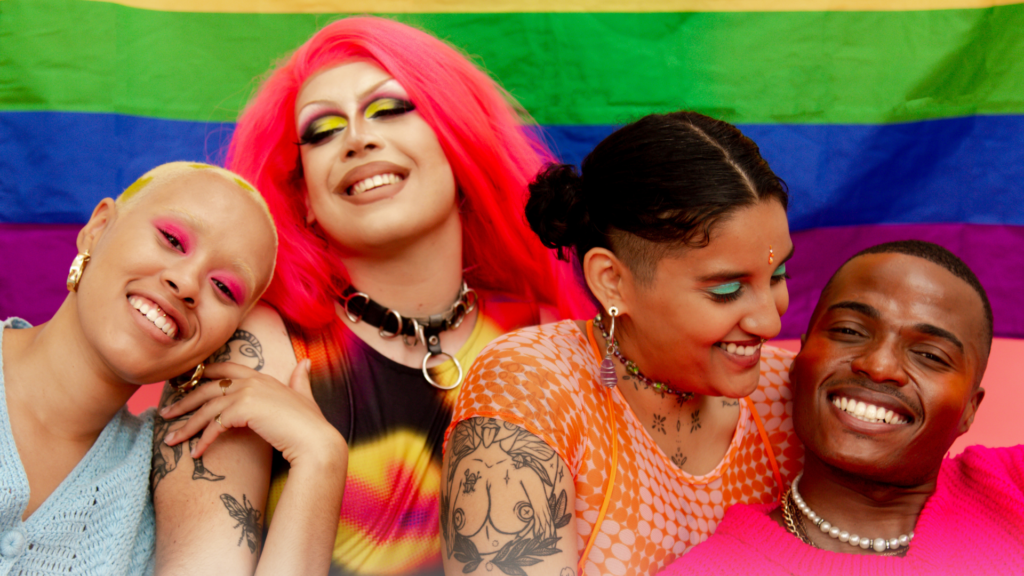
At the heart of identity lies a beautiful interplay of lived experience, how we think, feel, and connect with the world around us. For many,

When you’re a neurodivergent founder, you don’t just build a product. You also carry the weight of constant comparison, rejection, and feedback loops. Some are

When I was first diagnosed with ADHD, someone smiled and said – “Don’t worry – you don’t look like you have ADHD.” I know they

On April 10, the Melbourne Museum transformed into a vibrant, laughter-filled hub for Nocturnal: Cracked Up, an 18+ event that blended comedy, exhibitions, live music,
Belonging is more than just being part of a group—it’s feeling understood, valued, and safe to be our authentic selves. For neurodivergent individuals, the search

At Kaboose, we’re more than just an app—we’re a community that thrives on connection, support, and empowerment. That’s why we are absolutely delighted to share
When we talk about neurodiversity, discussions often lean towards a gender-neutral perspective. However, the experiences of neurodivergent women can be vastly different from those of
This week someone asked me, “but, why would I employ autistic or neurodivergent people?” This is not an uncommon question! On this occasion, it came

Understanding Masking Many late-diagnosed autistic women grow up feeling different yet manage to follow social patterns, often masking their true selves. Harriet from Geek Girl

Rejection sensitivity, the intense fear of rejection, is a significant emotional challenge for many girls, particularly those who are neurodivergent. This heightened sensitivity can lead

Friendships are a crucial part of our lives, they help us feel connected and provide us with support, joy, and a sense of belonging. However,
Today we’re managing the disappointment of a friendship breakdown in our household. Supporting someone who is upset and has rejection sensitivity can be extremely challenging,
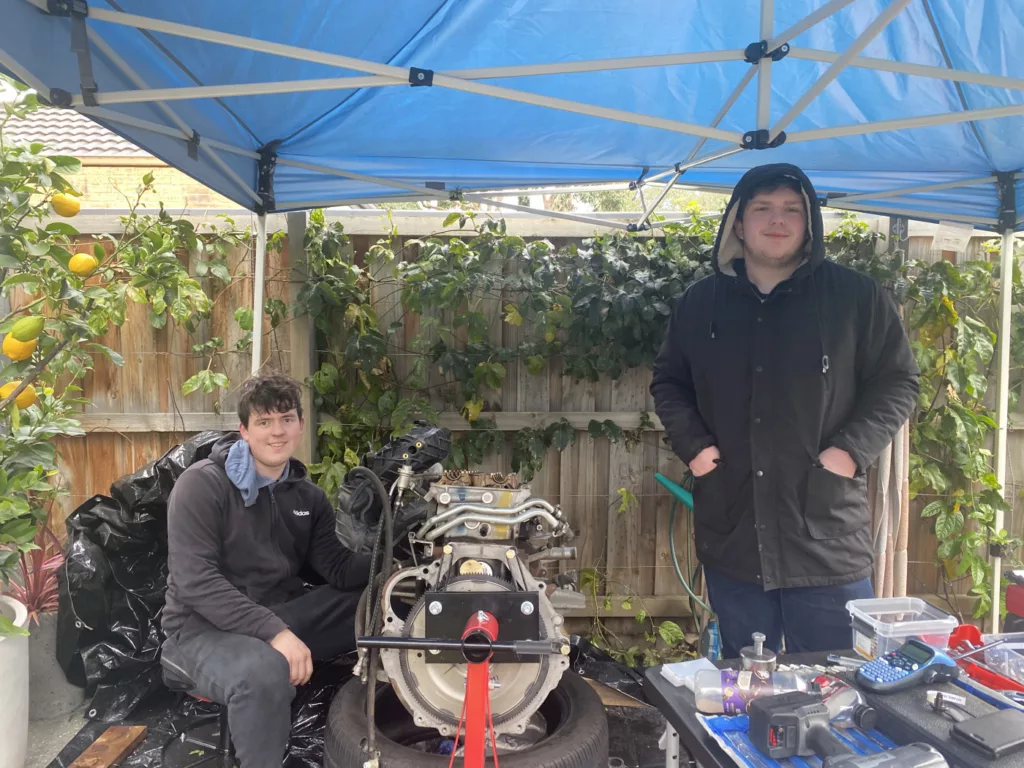
Meet Nick & Toby – both are autistic. Both have felt socially isolated and previously unable to attend school due to anxiety and bullying. 🚘

As a parent of two children with Autism & ADHD, I often see both my children struggle with time management in different ways. Firstly, if

So what is RSD? Rejection Sensitivity is actually an old concept that has been associated with ADHD but is getting a lot more publicity of
When my son was 16, I got a message from him saying “goodbye” as he didn’t want to live anymore. It’s not something any parent

Loneliness can lead to devastating outcomes for our neurodiverse kids. Just last week, my son who has been desperately trying to find his tribe spent
Transitions can be difficult for kids and young people at the best of times, but for our neurodiverse kids these transitions can be extremely triggering.
After the diagnosis of Autism/ADHD, we were recommended to attend a social skills play group. My son was aged 4 at the time. I was